
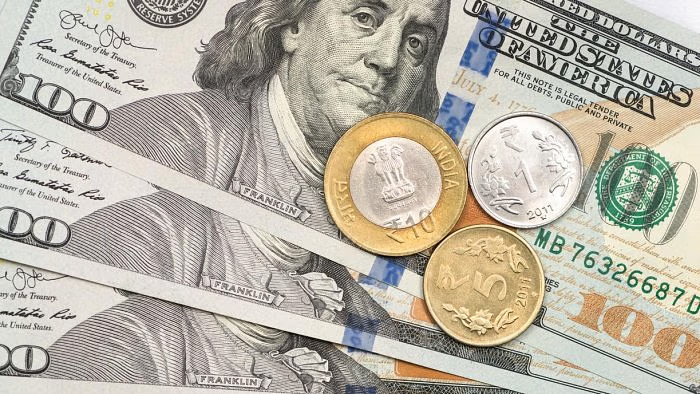
The Indian rupee surged by 61 paise to close at 86.07 against the US dollar on Friday, marking a significant rebound in the currency markets. This sharp appreciation came in the wake of the United States suspending additional 26% tariffs on Indian imports until July 9, a move that boosted investor sentiment and strengthened the rupee.
At the interbank foreign exchange market, the rupee opened higher at 86.22, gaining 46 paise against the dollar. During intra-day trading, it reached an impressive high of 85.95 before settling at 86.07. This marks a notable improvement from its previous close of 86.68 on Wednesday.
The dollar index, which measures the greenback’s strength against a basket of six major currencies, fell by 1.52% to 99.335, its lowest level in three years. This decline in the dollar’s strength further contributed to the rupee’s rally. Additionally, domestic equity markets experienced a strong rebound, with the BSE Sensex jumping 1,310.11 points to close at 75,157.26 and the Nifty rising by 429.40 points to settle at 22,828.55.
Market experts attributed the rupee’s performance to a combination of factors, including the tariff suspension, a correction in the US dollar, and positive trends in the equity markets. Anil Kumar Bhansali, Head of Treasury at Finrex Treasury Advisors LLP, noted that the rupee is expected to trade within the range of 85.75-86.25 in the coming week.
The announcement of tariff suspension by the US has also eased concerns over trade tensions, providing a favorable environment for the rupee and other Asian currencies. Meanwhile, Brent crude prices remained stable, rising marginally by 0.08% to $63.38 per barrel in futures trade.
This development highlights the interconnectedness of global trade policies, currency markets, and investor sentiment, showcasing the impact of international decisions on domestic financial markets. The rupee’s rally is seen as a positive sign for India’s economy, reflecting resilience and adaptability in the face of global economic challenges.

